
What Causes Gas Line Leaks in Homes?
People searching for gas line leak repair are typically trying to fix or prevent dangerous leaks caused by corrosion, damage, or aging pipes, and local service providers can help identify and safely repair these issues.
Understanding what causes gas line leaks in homes is essential for property owners who want to keep their families safe and their homes functioning properly. Gas line leaks can stem from a variety of common issues, including aging pipes, corrosion, shifts in the foundation, or accidental damage during renovations or landscaping. Recognizing these potential causes can help homeowners identify early warning signs and prevent more serious problems down the line. Local contractors specializing in gas line repair are equipped to diagnose these issues accurately and recommend effective solutions, making it easier for property owners to address concerns before they escalate.
For those living in areas where older homes are common or where ground movement and construction are frequent, understanding the factors that contribute to gas line leaks is especially important. Regular inspections and prompt repairs can mitigate risks associated with deteriorating or damaged pipes. Local service providers who focus on gas line leak repair offer the expertise needed to handle these issues safely and efficiently. Continuing to explore this topic can empower property owners to take proactive steps in maintaining a safe and reliable gas system in their homes.
- Gas line inspection - homeowners experiencing hissing sounds or suspected leaks can rely on local pros to identify potential issues in gas lines.
- Corrosion and deterioration repair - aging or corroded pipes may cause leaks, and local contractors can evaluate and address these problems effectively.
- Leak detection services - signs of gas odors or increased utility bills prompt residents to seek professional leak detection from local service providers.
- Pipe replacement and repair - damaged or cracked gas lines due to ground movement or impact require expert repair or replacement by local pros.
- Preventive maintenance - routine inspections help prevent leaks caused by wear and tear, with local contractors offering ongoing service options.
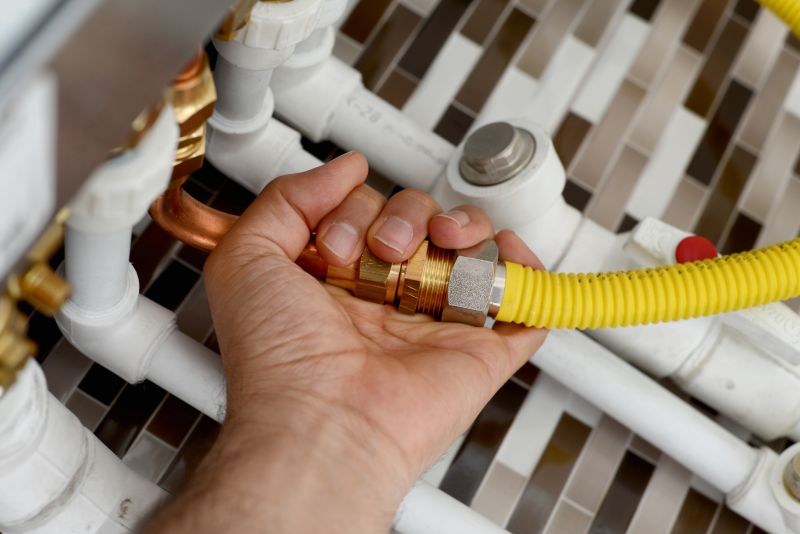
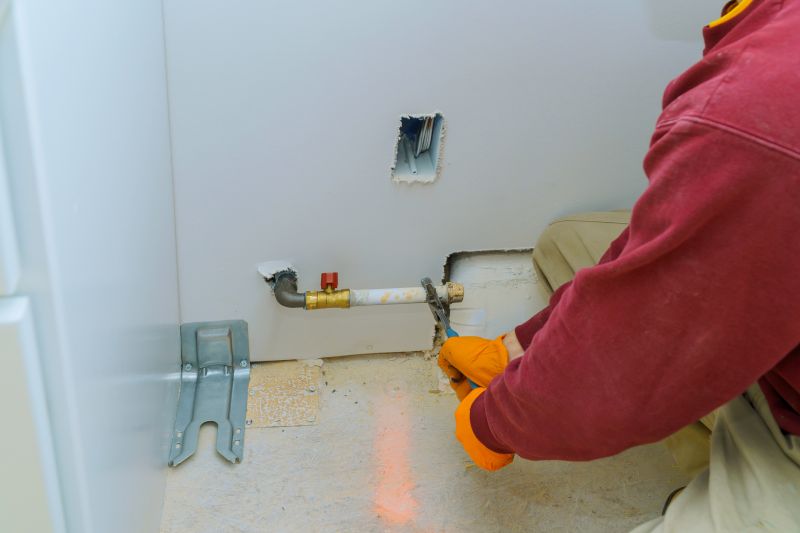
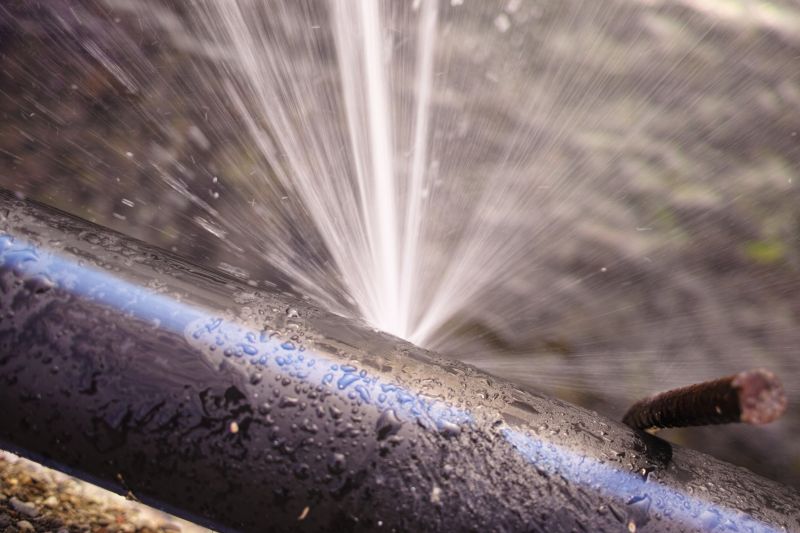
Understanding what causes gas line leaks in homes is important for homeowners concerned about safety and proper maintenance. When people search this topic, they often want to know the common reasons why a gas line might develop leaks, how to recognize potential warning signs, and what factors contribute to the deterioration of gas piping systems. This information is particularly relevant for those planning repairs, upgrades, or inspections of their existing gas infrastructure. Homeowners typically seek guidance on whether issues stem from aging pipes, installation errors, or external influences, so they can make informed decisions about engaging local contractors who specialize in gas line repair.
Gas line leaks are frequently related to a variety of problems that develop over time or due to specific circumstances within the property. Corrosion is a common cause, especially in areas with high humidity or where soil conditions accelerate pipe deterioration. Physical damage from nearby construction, shifting soil, or accidental impacts can also compromise the integrity of gas lines. Additionally, improper installation or poor-quality materials may lead to weak joints or faulty connections that eventually leak. Recognizing these causes helps homeowners understand the importance of regular inspections and timely repairs, which local service providers can facilitate to ensure safety and compliance.
The types of properties most often associated with gas line leaks include older homes with aging infrastructure, new construction sites, and properties with complex plumbing systems. Residential buildings, especially those built decades ago, may have pipes that have corroded or degraded over time, increasing the risk of leaks. Commercial properties, multi-family complexes, and rural homes with underground gas lines are also susceptible due to exposure to environmental factors or less frequent maintenance. Regardless of property type, identifying the root causes of leaks allows homeowners to plan for repairs or upgrades with the help of experienced local contractors who specialize in gas line services.
For homeowners exploring what causes gas line leaks in homes, understanding these factors highlights the importance of professional inspection and repair. Local pros can assess the condition of existing gas lines, identify the source of leaks, and recommend appropriate solutions to prevent potential hazards. Whether the issue stems from corrosion, accidental damage, or installation flaws, these service providers are equipped to handle repairs safely and efficiently. Connecting with trusted local contractors ensures that gas line problems are addressed promptly, helping to maintain the safety, functionality, and value of the property.
Gas line installation projects involve planning and executing the setup of gas piping systems, requiring similar skills to identify potential leak points and ensure proper connections.
Plumbing repair services often address pipe issues that can lead to gas leaks, making these contractors familiar with gas line components and common problem areas.
Home inspection services include checking for gas line safety and identifying potential leak hazards, which aligns with understanding causes of gas line leaks in homes.
Appliance hookup projects require connecting gas-powered appliances safely, involving knowledge of gas line integrity and leak prevention techniques.
Leak detection services focus on locating and repairing various types of leaks, including gas lines, utilizing similar tools and planning methods.
Pipe repair and replacement projects involve working with piping systems that can develop leaks, requiring expertise in diagnosing and fixing issues related to gas lines.
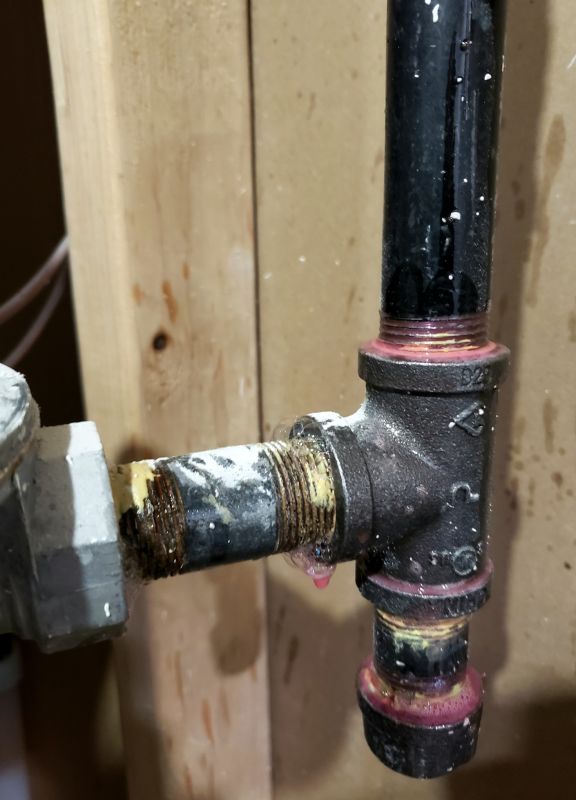
When comparing service providers for gas line leak repair, it’s important to consider their experience with similar projects. Homeowners should inquire about how many gas line repairs they have completed and whether they are familiar with common causes of leaks, such as corrosion, improper installation, or damage from nearby construction. Contractors with a history of handling these specific issues are more likely to identify the root cause efficiently and provide effective solutions. This experience can help ensure the repair work is thorough and reduces the chances of recurring problems related to what causes gas line leaks in homes.
Clear written expectations are also a key factor when evaluating local contractors. Homeowners should look for providers who can offer detailed descriptions of the repair process, what the work will entail, and any necessary follow-up steps. Having this information in writing helps prevent misunderstandings and ensures everyone is aligned on the scope of work. When it comes to addressing what causes gas line leaks in homes, transparency about the methods used and potential causes identified can build confidence in the quality of the service and the contractor’s ability to handle the specific issues involved.
Finally, reputable references and strong communication are essential qualities to consider. Service providers who can provide references from previous clients or examples of similar projects demonstrate a track record of reliable work. Good communication involves responsiveness, clarity, and willingness to answer questions, which can make the process of diagnosing and repairing gas line leaks smoother. Homeowners should feel comfortable discussing concerns and receiving updates, as this helps ensure the repair process is transparent and that the contractor understands the importance of addressing the underlying causes of leaks effectively.
Property owners often search for what causes gas line leaks in homes? when they are planning practical projects around their homes and businesses. Local pros provide Gas Line Leak Repair services for everyday jobs and straightforward project options.
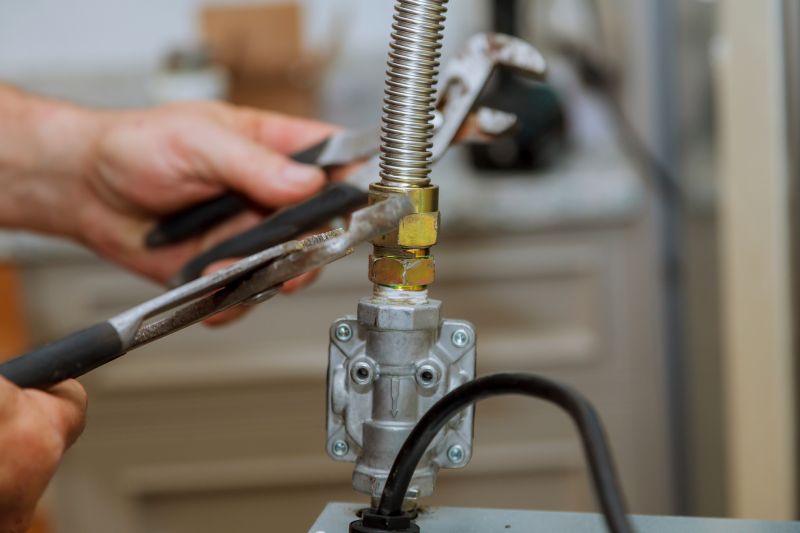
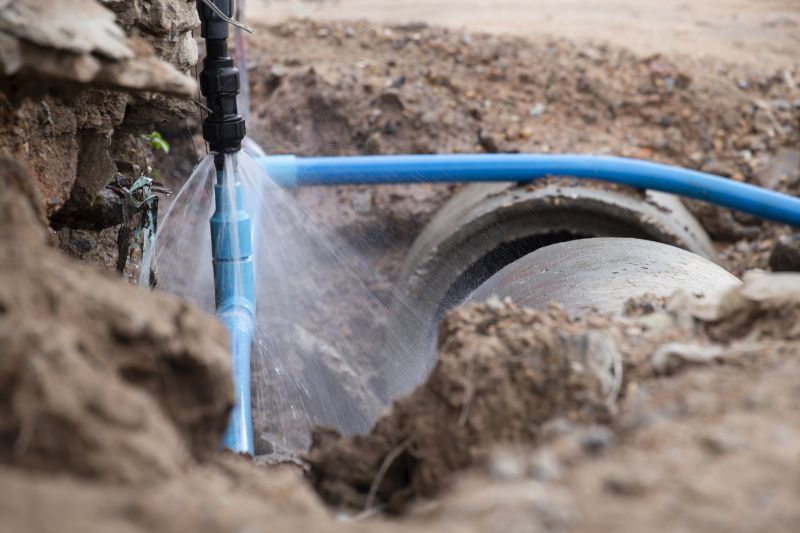
Understanding what causes gas line leaks in homes can help property owners identify potential issues early and prevent dangerous situations. Common factors include aging or deteriorating pipes, which can weaken over time and develop leaks, especially in older neighborhoods. Additionally, accidental damage during nearby construction, renovations, or landscaping projects can compromise gas lines. Frequent ground movement or shifting soil can also put stress on underground pipes, leading to cracks or leaks. Recognizing these everyday risks encourages property owners to seek inspection and repair services from local contractors who specialize in gas line assessments and leak repairs.
When a gas line leak is suspected, it’s important to rely on experienced service providers to handle repairs safely and effectively. Local contractors who focus on gas line repair can identify the source of leaks caused by corrosion, physical damage, or faulty connections. They use specialized tools and techniques to fix or replace compromised sections, helping ensure the safety and integrity of the home’s gas system. Property owners who notice signs of a leak-such as a rotten egg smell, hissing sounds, or unexplained gas odors-should consider consulting local pros for a thorough inspection and professional repair services.
What are common causes of gas line leaks in homes? Gas line leaks can occur due to corrosion, ground movement, faulty installation, or damage from nearby construction activities, which can compromise the integrity of the piping system.
How does corrosion lead to gas line leaks? Over time, moisture and chemicals can cause metal pipes to corrode, creating weak spots or holes that may result in gas leaks if not addressed by a professional.
Can physical damage cause gas line leaks? Yes, accidental impacts from digging, remodeling, or heavy equipment can puncture or crack gas lines, leading to leaks that require prompt repair by experienced contractors.
What role does improper installation play in gas line leaks? Incorrect fitting, poor sealing, or using incompatible materials during installation can increase the risk of leaks, making professional installation and inspection essential.
How do ground shifts or settling affect gas lines? Soil movement or settling can stress or dislodge gas piping, causing cracks or leaks that should be evaluated and repaired by qualified service providers.
Corrosion and Rust - property owners can learn to recognize signs of corrosion on gas lines and schedule inspections with local contractors to prevent leaks caused by deterioration.
Poor Installation Practices - understanding proper installation methods helps property owners identify potential issues early and work with local pros to ensure safe, correct setup.
Physical Damage - awareness of common causes like digging or accidental impacts allows homeowners to coordinate with local contractors for timely repairs before leaks develop.
Aging Infrastructure - recognizing when gas lines are old encourages property owners to seek professional assessments and repairs from local service providers to address leak risks.
If you are thinking about what causes gas line leaks in homes? for a property, this guide is meant to help you understand this topic, the typical project types, and how different options might fit your plans.
When you are ready, you can use the quote form on this page to share a few details about your project. From there, local pros can review the basics and follow up with options that match what you have in mind.